



16790753702383.jpg?v=1679075372)

16790746985853.jpg?v=1679074700)


16790757289763.jpg?v=1679075731)

Halloween costumes are basically a worst-case scenario for sweat: synthetic fabrics that don't breathe, masks and face paint that trap heat against the skin, and a few hours of walking, dancing, or chasing kids around a neighborhood — all while layered up in something that wasn't designed with ventilation in mind. It's a different kind of sweat problem than a workout or a hot day, because the trigger isn't exercise or temperature alone, it's heat and moisture getting trapped against skin that can't breathe through a costume, mask, or heavy makeup. A little prep the same day — not a different costume — handles most of it: antiperspirant on the areas that sweat most, a lighter, longer-wearing approach to face makeup if you're doing face paint, and breaks to let skin cool down between trick-or-treating stops or dance floor sessions.
Why Do Costumes Make You Sweat So Much More Than Regular Clothes?
Most costume materials are synthetic and built for visual effect rather than breathability — spandex, polyester, vinyl, and foam don't let heat or moisture escape the way cotton or linen do, so body heat builds up underneath instead of dissipating. Masks compound this directly on the face, trapping warm, humid air against skin that's also dealing with any makeup or face paint applied underneath. Layer in a few hours of activity — walking a trick-or-treat route, dancing at a party — and you've got sustained heat and moisture with nowhere for either to go. None of this means you're sweating abnormally; it means the costume itself is working against your body's normal cooling system for a few hours.
How Can You Keep Face Paint and Makeup From Sweating Off?
A few adjustments make a real difference if your costume involves face paint or heavier makeup:
- Apply antiperspirant to your underarms before getting dressed, so that's one less source of sweat and odor working against the rest of your look through the night.
- Keep the base layer lighter where you can. Heavy, full-coverage makeup under a mask traps more heat than a lighter base with face paint built on top of it.
- Use a sweat-absorbing lotion on skin before applying face paint, which gives makeup a drier surface to grip rather than sliding on sweat-slicked skin a couple of hours in. Carpe's Sweat Absorbing Face Lotion is designed to help absorb sweat before makeup goes on.
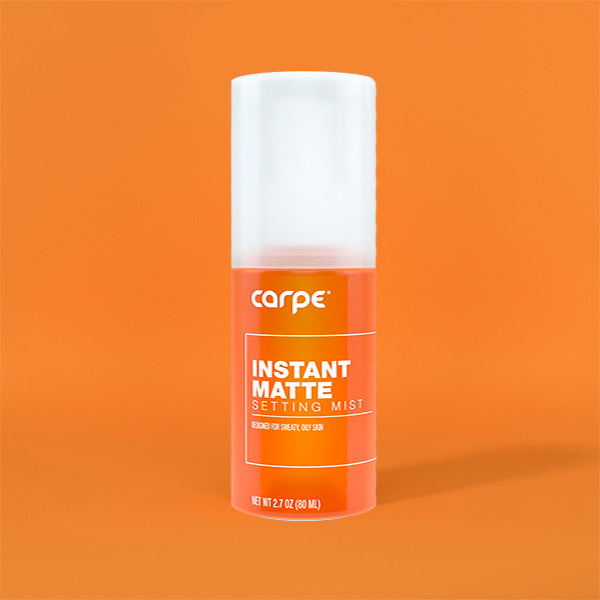
- Set makeup with a mist designed for sweaty, oily skin and a lasting matte look. Carpe's Instant Matte Setting Mist gives a lasting matte finish.
- Take mask breaks when you can. Even a minute or two without the mask on lets trapped heat and moisture escape before it undermines the makeup underneath.
Our existing guide on sweat-proof makeup tips covers the broader version of this for everyday heat and activity; Halloween just adds masks and heavier materials on top of the same basic problem.
Should You Apply Antiperspirant Differently for a Night in Costume?
Not differently in method, but it's worth timing it deliberately rather than as an afterthought. Apply Carpe's Underarm Stick to clean, dry underarms well before you put the costume on — giving it a few minutes to set before you're sealed into a synthetic layer for the next several hours matters more on a night like this than on a normal day, since there's less opportunity to adjust or reapply once you're out the door with kids or at a party. If your costume includes a lot of layering or something unusually insulating (full-body suits, heavy jackets, structured costumes), treat it the way you would dressing for an unusually warm day — plan for more heat retention than the actual outdoor temperature would suggest.
Is Sweating More in a Costume a Sign of a Bigger Problem?
No — for almost everyone, this is situational heat and moisture buildup from the costume itself, not a sign of an underlying sweat condition. According to the American Academy of Dermatology, excessive sweating that's triggered by true hyperhidrosis tends to show up consistently across regular daily activities, not specifically during a few hours in unusually insulating clothing. If you only notice this level of sweating in situations like costumes, saunas, or other heat-trapping scenarios, that's a normal physical response to the environment rather than something that needs medical attention. For a broader look at managing facial sweat day to day, our guide on how to stop sweating on your face is a good next read once the costumes are packed away for the year.
A Quick Pre-Halloween Routine
If you want your look — and your comfort — to hold up through trick-or-treating or a party, here's the short version:
1. Shower and fully dry skin beforehand; damp skin undercuts everything applied afterward.
2. Apply Carpe's Underarm Stick to clean, dry underarms and give it a few minutes before getting dressed.
3. If doing face paint, apply Carpe's Sweat Absorbing Face Lotion first for a drier base, then set the final look with Carpe's Instant Matte Setting Mist for a lasting matte finish.
4. Take breaks from masks or heavy pieces when you can, especially indoors or at a crowded party.
Carpe is also one of the top dermatologist recommended brands (M3 Study, 2026). Either way, applying before you get dressed — rather than partway through the night — is what makes the rest of the routine easier.
The Bottom Line
Sweating more in a Halloween costume isn't a sign anything's wrong — synthetic materials, masks, and makeup all trap heat in ways regular clothes don't, for just a few hours a year. A quick antiperspirant application before you get dressed, a lighter, longer-wearing approach to face paint, and the occasional mask break cover most of it, so the costume — not the sweat — is what people remember.


