



16790753702383.jpg?v=1679075372)

16790746985853.jpg?v=1679074700)


16790757289763.jpg?v=1679075731)

Your wedding day will be one of the most photographed, emotionally charged, and physically demanding days of your life. Between the anticipation, the lights, the dancing, and the sheer joy of celebrating with everyone you love, your body's natural response may include something you'd rather not deal with: sweat. Whether you're prone to excessive perspiration or simply want to ensure comfort throughout a long day, this guide covers everything you need to stay fresh from your walk down the aisle to your last dance.
Understanding Wedding Day Sweat Triggers
Wedding day sweating is rarely about being "out of shape" or having a medical condition. Several factors combine to create the perfect storm for perspiration on your big day.
Emotional Intensity
Your wedding day is likely to trigger significant emotional responses—excitement, nervousness, joy, and perhaps a few happy tears. All of these emotions activate your sympathetic nervous system, releasing stress hormones that stimulate sweat glands. The phenomenon of stress-related sweating affects most people during high-stakes moments, and few moments carry higher emotional stakes than saying "I do."
Physical Demands
Consider what you're asking your body to do: stand in formal attire (often with multiple layers), potentially in warm weather or under bright lighting, for extended periods. You'll be hugging dozens of people, posing for photos, and eventually dancing—all while wearing a dress that may not have been designed with ventilation in mind.
Environmental Factors
Summer weddings, outdoor ceremonies, crowded reception halls, and venue lighting all contribute to elevated temperatures. Even indoor, climate-controlled venues can feel warm when packed with guests.
The Pre-Wedding Sweat Prevention Plan
Like any aspect of wedding planning, sweat management benefits from advance preparation. Starting your routine several weeks before the big day yields better results than last-minute interventions.
Two Weeks Before: Establish Your Routine
Begin using clinical-strength antiperspirant daily, applying it at night when your skin is dry and sweat glands are less active. Products like Carpe Underarm Antiperspirant work by forming temporary plugs in sweat ducts—a process that becomes more effective with consistent use over time. Carpe features Triple Action Protection — controlling sweat, killing odor-causing bacteria, and nourishing skin — with clinically tested 100-hour sweat and odor control.
This two-week lead time allows you to:
- Confirm the product doesn't cause skin irritation (rare, but better to know now than on your wedding day)
- Build up effectiveness through consistent application
- Establish a routine you can maintain through wedding week stress
One Week Before: Expand Your Coverage
If you experience excessive face sweating, perspiration on your décolletage, or moisture between your thighs, address those areas as well. Carpe offers formulations for multiple body areas, and the Bridal Bundle was specifically designed to cover brides from head to toe.
For facial perspiration, practice incorporating sweat-absorbing products into your skincare routine. This helps you understand how they interact with your makeup and ensures compatibility before your professional makeup application.
Wedding Week: Fine-Tune and Test
During your final dress fitting, wear your complete sweat-prevention setup. This includes:
- Your chosen antiperspirant
- Any body powders or anti-chafe products
- The undergarments you'll wear on your wedding day
This dress rehearsal reveals any issues before they become wedding day problems. Does your antiperspirant leave marks on white fabric? Does your body powder create visible residue? Better to discover these things now.
Wedding Day Morning: Your Sweat-Proof Routine
The morning of your wedding, follow this timeline for optimal protection.
After Your Shower
Once you've showered and your skin is completely dry:
1. Apply antiperspirant to underarms even though you applied it the night before. The nighttime application provides the foundational protection; the morning touch-up ensures you're covered.
2. Address other sweat-prone areas: inner thighs (especially important for dancing), under-breast area, lower back, and any other spots where you tend to perspire.
3. Wait 10-15 minutes before getting dressed to allow products to fully absorb.
Before Makeup
Facial sweat control should happen before your makeup artist arrives or before you begin doing your own makeup:
1. Cleanse and thoroughly dry your face
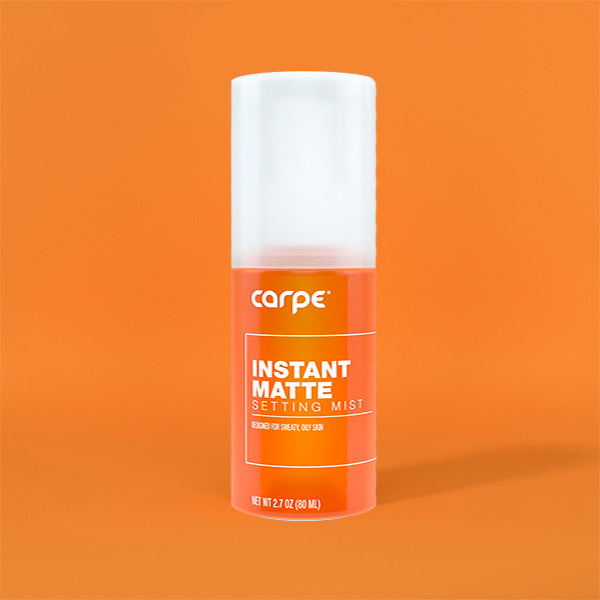
2. Apply sweat-absorbing face products like mattifying lotion or primer. Face Primer with SPF combines sun protection with sweat-absorbing technology—particularly valuable for outdoor ceremonies or photo sessions.
3. Allow 5-10 minutes for absorption before makeup application
Inform your makeup artist that you've applied sweat-controlling products so they can adjust their technique accordingly. Most professional makeup artists appreciate this preparation, as it gives them a better base to work with.
Getting Into Your Dress
The moments while getting into your wedding dress can trigger anticipatory sweating—your body's response to the mounting excitement and "this is really happening" feelings. Research on anxiety and hyperhidrosis shows that anticipation alone can activate sweat glands.
To minimize this:
- Keep the room cool (aim for 68-70°F)
- Have a fan or air conditioning running
- Do calming breathing exercises before putting on your gown
- Have someone gently dab your underarms with tissue before the dress goes on
During the Ceremony and Reception
Even with thorough preparation, a wedding day is long. Plan for touch-ups.
Your Sweat Emergency Kit
Designate your maid of honor or a trusted friend to carry a small bag with:
- Face Wipes for quick shine control
- Blotting papers for between-photo touch-ups
- Oil-absorbing powder (translucent, to avoid disrupting makeup)
- Small hand fan
- Travel-size deodorant for emergencies
- Tissues or cotton pads
Strategic Touch-Up Moments
Plan specific times to step away and refresh:
- After the ceremony, before cocktail hour photos: Your guests will be mingling while you take couples and wedding party photos. Use this transition to blot your face and check underarms.
- Between cocktail hour and reception entrance: Another natural break to refresh before being the center of attention again.
- Before the first dance: You're about to be under spotlight in close proximity to your partner. A quick freshen-up ensures confidence.
- Halfway through dancing: If your reception includes extended dancing, slip away briefly to cool down.
Managing Venue Temperature
If possible, communicate with your venue coordinator about temperature concerns:
- Request air conditioning be set cooler than usual (guests can add layers; the bride cannot remove her dress)
- Ask about fan placement near the head table or dance floor
- Ensure adequate ventilation in areas where you'll be photographed under lights
Dress Considerations for Sweat Management
While your dress choice likely prioritized aesthetics, silhouette, and style, understanding how different dress features affect body temperature can inform accessory choices or small modifications.
Fabric Matters
Natural fibers (silk, cotton, linen) breathe better than synthetic materials. However, many modern wedding gowns incorporate synthetic fabrics for structure and design. If your dress has synthetic lining or layers, consider:
- Garment shields that adhere inside the dress at underarm areas
- Wearing a thin, breathable slip beneath the dress
- Requesting the seamstress add cotton or moisture-wicking fabric in high-sweat areas
Silhouette and Ventilation
Ball gowns and full skirts create a "chimney effect" that can actually help with airflow. Fitted, body-hugging styles trap more heat against the skin. Neither is better or worse—just be aware of what your silhouette means for temperature regulation and prepare accordingly.
Color Considerations
While most brides wear white or ivory, it's worth noting that lighter colors show moisture more readily than darker shades. If your dress has colored accents or you're considering a non-traditional color, darker shades will be more forgiving of any moisture.
For Brides with Hyperhidrosis
If you experience excessive sweating beyond typical nervousness—the kind that affects your daily life, not just special occasions—your wedding day preparation may need additional elements.
The American Academy of Dermatology recommends that people with hyperhidrosis consult their dermatologist well in advance of significant events. Your doctor might recommend:
- Prescription-strength antiperspirants to start using months before the wedding
- Botulinum toxin injections (timing varies, but typically 1-2 weeks before the event)
- Oral medications for situational use on the wedding day itself
These interventions require medical supervision and advance planning—another reason to address sweat concerns early in your engagement rather than the week of the wedding.
A Word About Realistic Expectations
Here's the truth that every bride needs to hear: some sweating is normal, expected, and not a catastrophe. Your wedding day is an emotional, physically active, often warm experience. Your body is designed to sweat under these conditions.
What matters isn't achieving zero perspiration (which isn't realistic) but rather:
- Preventing sweat from being visible or distracting
- Maintaining comfort so you can enjoy your day
- Having a plan to manage moisture as needed
- Not letting sweat anxiety overshadow your joy
Modern photography and videography techniques, good makeup application, and the general chaos of wedding day activities mean that minor perspiration almost never shows up in documentation of the day. Your guests are focused on celebrating with you, not inspecting your underarms.
Key Takeaways for Sweat-Free Wedding Success
1. Start early: Begin your antiperspirant routine at least two weeks before the wedding
2. Test everything: Do a full dress rehearsal with all your sweat-prevention products
3. Cover all areas: Underarms, face, and any other spots where you tend to perspire
4. Plan for touch-ups: Build sweat breaks into your timeline and prepare an emergency kit
5. Communicate with vendors: Let your makeup artist, venue coordinator, and photographer know about your concerns
6. Maintain perspective: Some sweating is normal; focus on management rather than elimination
Your wedding day is about celebrating love, not achieving biological perfection. With thoughtful preparation and the right products, you can minimize sweat's impact on your comfort and confidence—and fully focus on enjoying every moment of your celebration.


