



16790753702383.jpg?v=1679075372)

16790746985853.jpg?v=1679074700)


16790757289763.jpg?v=1679075731)

Few things are as noticeable as a dripping scalp — sweat runs into your eyes, dampens your hair, and shows up under hats and helmets. If your head seems to sweat more than everywhere else, there's a reason, and there are real ways to manage it.
Why the scalp sweats so much
Your head and face are packed with a high concentration of eccrine sweat glands — the ones that cool you down. So when you heat up, exercise, get stressed, or eat something spicy, your scalp can sweat quickly and heavily. A few common drivers:
- Heat and exertion — the scalp is one of the body's main cooling zones.
- Hats, helmets, and hair products that trap heat and moisture against the skin.
- Stress and anxiety, which trigger a fast sweat response.
- Spicy or hot foods, which can prompt sweating on the face and scalp specifically.
For some people, heavy scalp sweating may be a form of craniofacial hyperhidrosis — excessive sweating focused on the head and face — which is a condition a dermatologist can help manage.
How to keep a sweaty scalp under control
- Rinse and keep it clean. Sweat plus product buildup and bacteria is what leads to itch and odor, so wash regularly with a gentle shampoo.
- Go breathable with headwear. Choose moisture-wicking hat liners and ventilated helmets, and give your head a break from tight caps when you can.
- Lighten up on heavy styling products that trap heat and moisture.
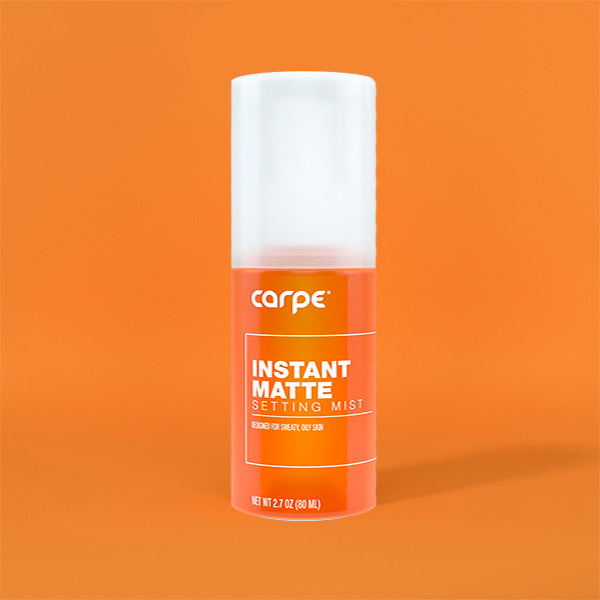
- Some people find it comfortable to try a lightweight scalp powder at the roots and hairline. A neutral option like Carpe Scalp Powder is fragrance-free and easy to work into the hairline.
- Stay cool and hydrated, and manage stress triggers where you can.
When to see a professional
If your scalp sweating is heavy, happens even when you're cool and calm, and disrupts daily life, a dermatologist can help — there are effective options beyond home care. The International Hyperhidrosis Society has helpful information at sweathelp.org.
The bottom line
A sweaty scalp comes down to a dense cluster of cooling glands plus heat, stress, and trapped moisture. Keep it clean, choose breathable headwear, treat the hairline gently, and address your triggers — and you can keep your head far drier and more comfortable.


